Shockwave Centers of America Highlights Co-Founder Clinical Experience in Shockwave Therapy
MARIETTA, GA - September 18, 2026 - PRESSADVANTAGE - Shockwave Centers of America has outlined the clinical background
Press Release Disclaimer: This is a press release distributed through the XPR Media network. It has not been independently verified by our newsroom.

MARIETTA, GA – September 18, 2026 – PRESSADVANTAGE –
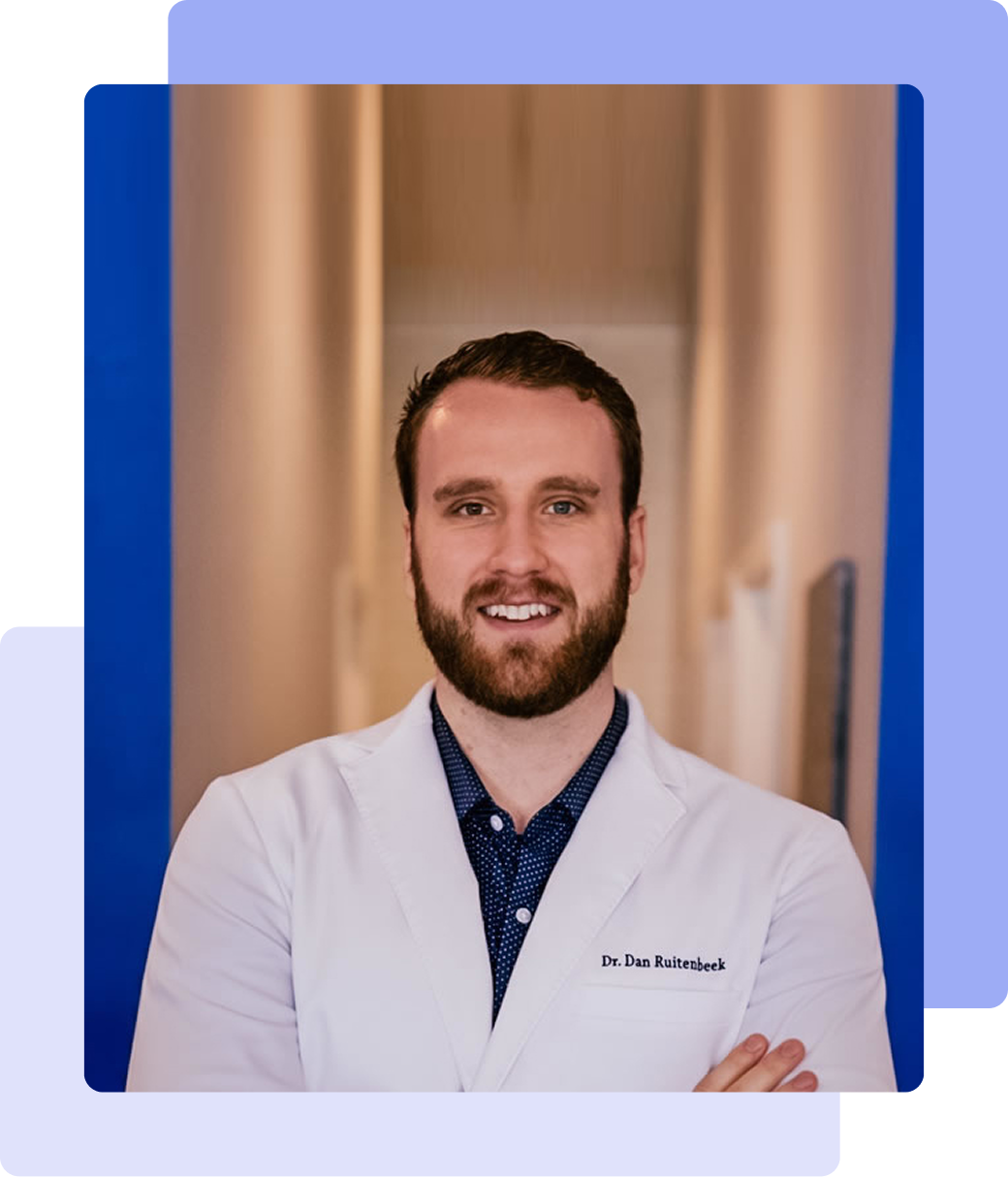
Shockwave Centers of America has outlined the clinical background of co-founder Dr. Dan Ruitenbeek, whose experience treating patients with shockwave therapy has contributed to the company’s approach to practitioner education, treatment protocols, and equipment support.
The company is a combined effort of Dr. Dan Ruitenbeek, a chiropractor and owner of Explore Health and Wellness in Marietta, Georgia, and David Tucker, co-founder and co-owner of Shockwave Centers of America and president of TENSnet, a supplier of chiropractic equipment and supplies. According to company information, Dr. Ruitenbeek has treated patients with shockwave therapy in his clinic for more than five years. During that time, he has studied the technology and developed treatment protocols for a range of musculoskeletal and soft tissue conditions. Tucker’s background in sourcing and manufacturing chiropractic equipment provides the equipment and distribution side of the organization.
Dr. Ruitenbeek grew up in London, Ontario, Canada. After an ice hockey injury involving multiple lumbar vertebral disk protrusions left him unable to walk or sit without pain and prevented him from playing sports, he was referred to a natural health clinic in his hometown. His experience with chiropractic care and physical rehabilitation influenced his interest in combining different approaches to patient care.
He holds a bachelor’s degree in kinesiology, a doctorate in chiropractic, and certifications in soft tissue therapy. According to Shockwave Centers of America, he also holds board certification in intractable pain and neuropathy. He is the author of “Cracking the Neuropathy Code: A State-of-the-Art Approach to Reversing Peripheral Neuropathy.” His clinical work has included an integrative approach to conditions such as peripheral neuropathy, sciatica, fibromyalgia, nerve-related complaints, plantar fasciitis, and degenerative arthritis.
“Shockwave therapy has become an important part of my clinical approach because it gives practitioners another technology to consider when working with musculoskeletal and soft tissue conditions,” said Dr. Ruitenbeek. “My experience with the technology has also given me an opportunity to develop treatment protocols based on what I have encountered in clinical practice.”
Shockwave therapy uses acoustic or pressure-wave energy delivered to targeted areas of the body. Shockwave Centers of America describes the technology as a non-surgical treatment option used by practitioners for certain musculoskeletal and soft tissue conditions.
“The technology has been studied for a number of musculoskeletal conditions, and that research has helped build a broader understanding of how shockwave therapy can be used in clinical settings,” Ruitenbeek said. “Our focus is on helping practitioners understand the technology and the treatment options available through the systems we provide.”
The treatment process described by Shockwave Centers of America involves applying ultrasound gel to the treatment area before a practitioner uses an applicator to deliver pressure-wave energy. The company’s radial systems use compressed-air impulses to generate ballistic waves. Practitioners can adjust treatment parameters as part of the treatment process.
“The treatment process allows practitioners to focus the application on the area being addressed while using parameters appropriate for the system and protocol,” Ruitenbeek said. “Training and clinical experience are important parts of understanding how the technology can be incorporated into practice.”
Shockwave Centers of America publishes research-related information on its website and states that radial shockwave therapy has been studied for more than 20 years. The company references randomized and controlled research involving shockwave therapy and various musculoskeletal conditions. Research outcomes can differ based on the device, treatment protocol, patient population, and outcome measured.
“Research has played an important role in the development of shockwave therapy,” Ruitenbeek said. “We look at the available research alongside clinical experience when developing educational materials and treatment protocols for practitioners.”
Conditions listed in Shockwave Centers of America’s educational materials include plantar fasciitis, Achilles tendinopathy, patellar tendinitis or jumper’s knee, hamstring injuries, bursitis, calcific rotator cuff tendinitis, shoulder pain, tennis elbow, heel spurs, shin splints, hip pain, low back pain, and partial-thickness rotator cuff tears. The company presents these conditions as areas addressed in its educational and clinical materials rather than as a single set of indications for every shockwave device it offers.
FDA records also show that certain shockwave devices have received authorization for specific uses. For example, FDA records identify certain extracorporeal shockwave therapy devices for treatment of chronic proximal plantar fasciitis in defined patient populations. Device indications can vary by product, so the regulatory status of a particular system should be considered separately from the broader clinical literature on shockwave therapy.
Dr. Ruitenbeek, Co-Founder of Shockwave Centers of America and owner of Explore Health and Wellness in Marietta, Georgia, said that clinical experience has played a role in the development of the organization’s protocols. His work treating patients with shockwave therapy has provided experience with conditions that commonly appear in chiropractic and rehabilitative settings.
“Working with patients over several years has helped me develop a practical understanding of how shockwave therapy can be incorporated into a broader clinical approach,” Ruitenbeek said. “That experience has informed the protocols and educational materials we provide to practitioners.”
David Tucker, Co-Founder and Co-Owner of Shockwave Centers of America and President of TENSnet, brings experience in chiropractic equipment and equipment supply to the organization. His work has included sourcing and manufacturing equipment used in chiropractic and wellness settings.
“Our goal is to give practitioners access to shockwave systems along with the information and training needed to understand the equipment,” Tucker said. “Bringing clinical experience and equipment knowledge together allows us to support practitioners from both sides of the process.”
Shockwave Centers of America provides training and educational support for practitioners who use its systems. The company presents shockwave devices as one treatment option that may be used alongside other technologies found in chiropractic and wellness settings, including electrotherapy, decompression, and laser.
“We want practitioners to have a clear understanding of the systems they use and the protocols available to them,” Tucker said. “Training gives practitioners an opportunity to become familiar with the technology and incorporate it into their existing clinical approach.”
The organization offers both radial and focused shockwave systems. Its product catalog lists the Mark III Radial and Mark V OTG Radial systems, which use pneumatic radial shockwave technology, as well as the Mark VI FocusWave, which uses electromagnetic focused shockwave technology. The catalog also lists the ION EMX Laser EMTT, an extracorporeal magneto-transduction therapy system. Product specifications include frequency ranges, energy output, penetration or focal depth, treatment tips, and available protocols.
The distinction between radial and focused systems is relevant because the technologies deliver energy differently. Shockwave Centers of America identifies the Mark III Radial and Mark V OTG Radial as pneumatic radial shockwave systems, while the Mark VI FocusWave is identified as an electromagnetic focused shockwave system. Product information provides specifications for each device as part of the company’s practitioner and equipment resources.
“Our product lineup gives practitioners access to different shockwave technologies based on the type of system they are looking to incorporate into their practice,” Tucker said. “Providing multiple system options allows practitioners to review the available technology and select equipment that fits their clinical setting.”
Shockwave Centers of America’s clinic directory lists providers across the United States and Puerto Rico. The directory includes chiropractic, wellness, and physical therapy practices and is intended to help individuals identify participating locations where shockwave therapy is offered.
The clinic network also supports the organization’s broader focus on practitioner education and access to shockwave technology. The directory gives patients a way to identify participating providers while connecting practitioners with the organization’s equipment and training resources.
“Building a network of participating clinics helps connect practitioners using the technology with people who are interested in learning more about shockwave therapy,” Tucker said. “Education and access are important parts of the work we are doing with clinics.”
Sessions generally take place in an outpatient clinical setting. The company describes shockwave therapy as non-invasive and states that the treatment does not involve a surgical incision. Treatment involves applying energy pulses to targeted areas using the appropriate shockwave system and applicator.
“The non-surgical nature of shockwave therapy makes it an interesting option for practitioners who want to add another treatment technology to their clinical services,” Ruitenbeek said. “It has become an important part of the range of tools I have used in my own practice.”
Dr. Ruitenbeek’s background in kinesiology, chiropractic care, pain and neuropathy treatment, and soft tissue methods provides the professional background behind his involvement with Shockwave Centers of America. His personal experience with an ice hockey injury and rehabilitation influenced his interest in combining rehabilitative and natural care approaches. His subsequent clinical experience with shockwave therapy contributed to the development of treatment protocols and practitioner education offered through the organization.
“Seeing the impact that rehabilitation had on my own recovery influenced the way I approached patient care,” Ruitenbeek said. “My interest in shockwave therapy developed from that broader focus on rehabilitation and from working with patients in clinical practice.”
Shockwave Centers of America describes its current work as making shockwave technology more accessible to practitioners treating musculoskeletal and soft tissue conditions. The company’s public materials emphasize clinical experience, equipment support, and practitioner education as central parts of its operation.
“Clinical experience, equipment, and education all have a place in helping practitioners understand how shockwave technology can be incorporated into their practices,” Tucker said. “Our focus is on giving clinics access to the equipment, training, and resources they need to evaluate the technology for their practices.”
Shockwave Centers of America is a provider of shockwave therapy equipment, practitioner education, and related clinical resources. The company offers radial and focused shockwave systems and maintains a directory of affiliated practitioners and clinics. More information about the company’s technology, treatment approach, available systems, and practitioner resources is available through its website.
###
For more information about Shockwave Centers of America™, contact the company here:
Shockwave Centers of America™
David Tucker: Co-Founder and Co-Owner of Shockwave Centers of America
561-300-3444
info@shockwavecenters.com
4880 Lower Roswell Road Suite 20
Marietta, GA, 30068